
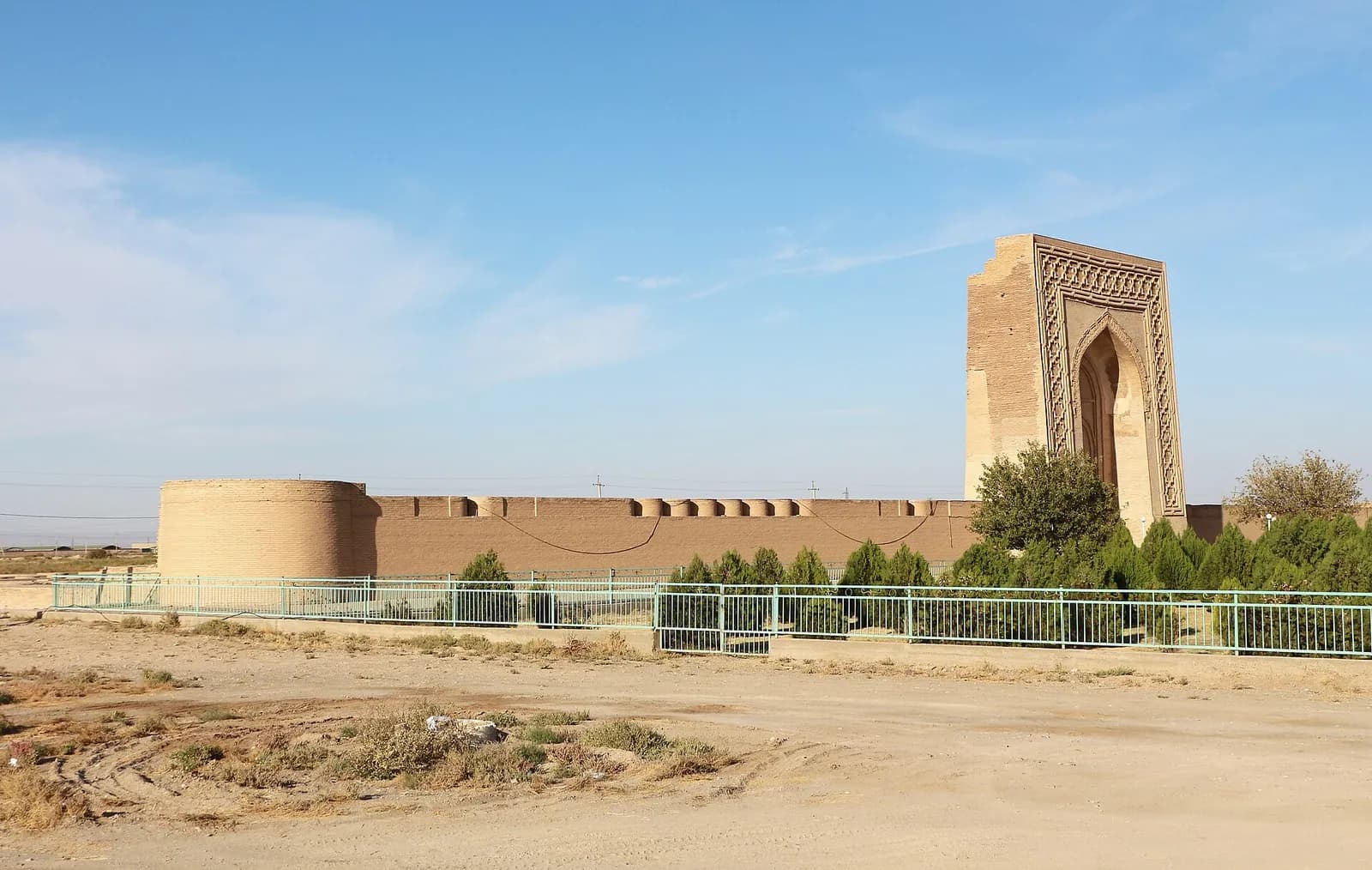
The Silk Road in Uzbekistan: A Journey Through Three Historic Cities
How Tashkent, Samarkand, Bukhara and Khiva fit into a modern travel route.
Why Uzbekistan is central to the Silk Road story
Uzbekistan contains several historic cities that grew through trade, scholarship, religion and craft. UNESCO recognizes multiple World Heritage properties in the country, including Samarkand, Bukhara and Itchan Kala in Khiva.
Samarkand: the crossroads
UNESCO describes Samarkand as a crossroads and melting pot of cultures. Its Timurid monuments show the city's role as a center of political power, architecture and scholarship.
Bukhara: the historic urban fabric
Bukhara offers a different experience. UNESCO emphasizes its largely intact medieval urban fabric and its importance as an economic and cultural center on the Silk Roads.
Khiva: the fortified caravan city
Itchan Kala in Khiva preserves a compact walled environment with monuments, homes, markets and religious buildings. UNESCO describes it as a final caravan resting place before the desert crossing toward Persia.
Tashkent: the modern gateway
Tashkent provides a useful beginning or end point for international travel and adds a modern urban layer to a historic-country itinerary.
A classic route
A practical cultural route is Tashkent → Samarkand → Bukhara → Khiva. Depending on transport and flight schedules, the route can be arranged in either direction or adapted with mountain and desert stops.
Why slow travel works
The Silk Road is not only a collection of monuments. Markets, crafts, food, landscapes and conversations make the historical routes meaningful today.
Planning a journey through Uzbekistan?
Explore our private journeys and transport services, or let us build a tailor-made trip around you.
Sources
Information such as weather, opening hours, events and transport schedules can change; please check current details before you travel.